
This guide explains the measles outbreak jobs USA impact — what the record outbreak means for healthcare workers, schools, childcare, and anyone whose job depends on staying healthy and showing up to work. The facts below come from the CDC and reporting on its latest data, published November 6–7, 2026. Watch the 30-second update on Today Live News.
What happened
The CDC reported 5,182 confirmed measles cases in the United States in 2026, as of November 5 — the highest annual total since 1991, a 35-year high. Cases rose by 330 in a single week, and 96 percent of cases are linked to outbreaks. There have been 43 outbreaks this year, and cases have been reported in 47 jurisdictions across the country.
For comparison, the full-year total for 2025 was 2,289 cases — so the 2026 count is already more than double last year’s total, with nearly two months of the year still to go.
Pennsylvania is the hardest-hit state, with 1,487 cases and six deaths reported by its Department of Health. The CDC counts four deaths nationwide in 2026, while state health officials have reported eight — the two counts differ because of a dispute over how measles deaths are classified.
Children and teenagers make up nearly 60 percent of cases: 18 percent are children under five, and 41 percent are aged five to 19. Kindergarten vaccination coverage has fallen from 95.2 percent in the 2019–2020 school year to 92.4 percent in 2025–2026, leaving about 280,000 kindergartners at risk, according to the CDC. Measles was declared eliminated in the United States in 2000, and two doses of the MMR vaccine are 97 percent effective at preventing it.
Healthcare jobs: hospitals and clinics feel it first
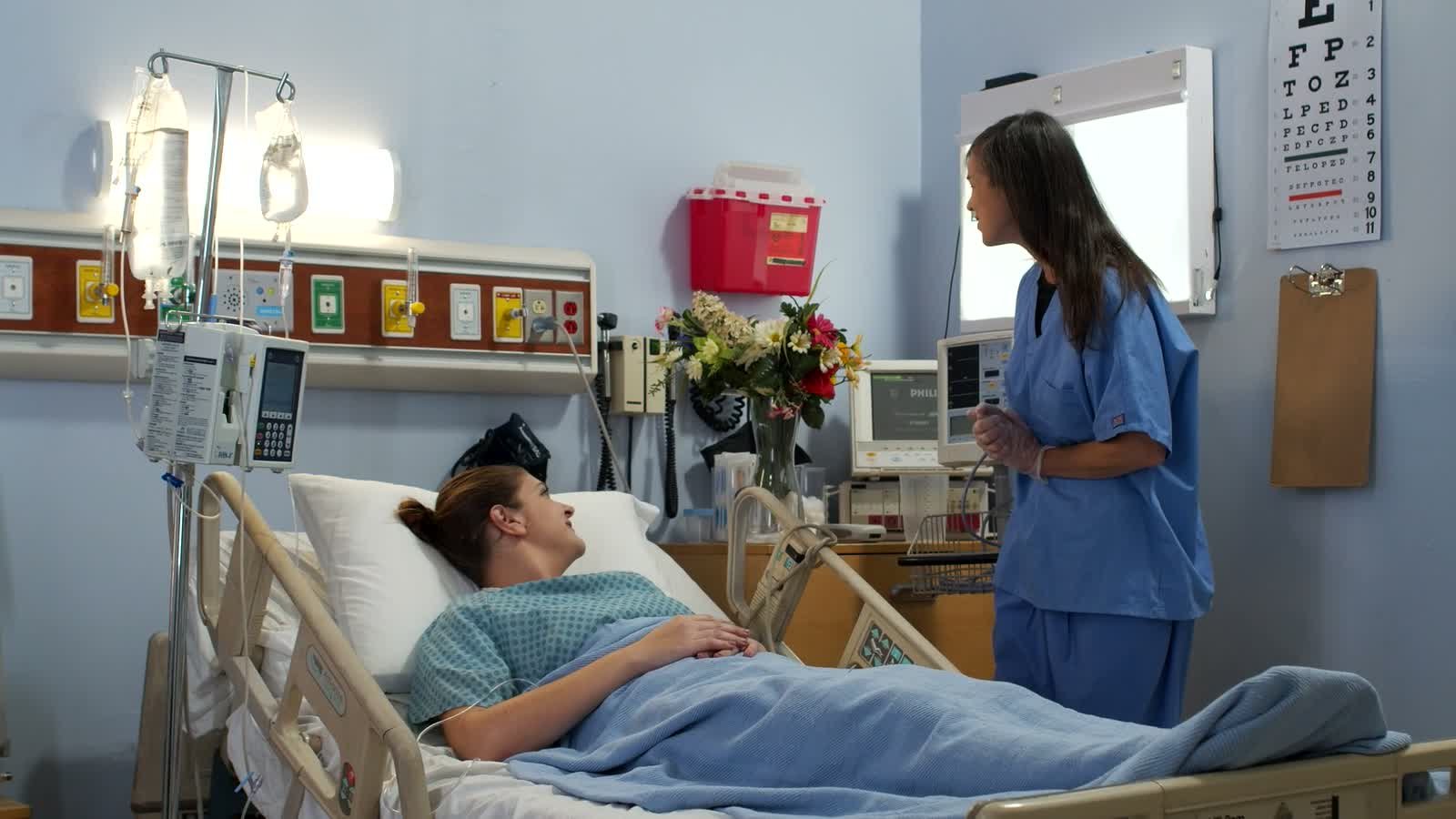
When thousands of people fall ill at once, hospitals, clinics, and public-health departments carry the extra work. Nurses, medical assistants, and other clinical staff handle more patients, more testing, and more phone calls from worried families. Public-health departments run the outbreak response: tracking cases, tracing contacts, and organising vaccination clinics.
That kind of pressure is exactly when healthcare employers look for extra hands — registered nurses, licensed practical nurses, medical assistants, phlebotomists, and community health workers. School nurses and occupational-health nurses also become more important, because schools and workplaces need someone who can spot symptoms early and advise staff and families.
If you already work in healthcare, this is a good moment to check your own records. Many healthcare employers require proof of measles immunity, and the CDC says the MMR vaccine is the best protection. If you are training for a healthcare role, outbreak response is a real part of the job — infection control, patient triage, and clear communication with the public are skills employers value every day, not only during an outbreak. For more on the wider healthcare jobs picture, see our guide on what the Democrats’ healthcare fight means for jobs in the USA.
School and childcare jobs: children are most affected
Because nearly six in ten cases are children and teenagers, schools and childcare settings sit at the centre of this outbreak. Teachers, teaching assistants, school nurses, and childcare workers are the adults who see symptoms first — and the ones who must stay home themselves if they fall ill or are exposed without immunity.
Outbreaks can also disrupt staffing. A single classroom or daycare room can lose several staff members at once to illness or quarantine, and substitute teachers and relief childcare workers become harder to find. School districts and childcare centres that keep a list of reliable substitutes cope better, and workers who are ready to step in at short notice are in demand when absences spike.
Parents feel the same pressure from the other side: when a child is ill or a school closes a classroom, a parent has to miss work. That is why the outbreak matters well beyond healthcare — it affects attendance and productivity in every industry where parents work.
What it means for workers in any job
You do not have to work in a hospital for an outbreak to affect your job. Three practical points apply to almost every worker:
Know your sick leave. Check what paid sick leave your employer offers before you need it, and know the process for calling in sick. Missing work without a plan adds stress when you are already ill. Our guide on what record-low jobless claims mean for jobs in the USA explains how tight the labour market is right now — and why employers are paying closer attention to keeping staff healthy and at work.
Check your vaccination record. Health officials say the MMR vaccine is the best protection against measles. If you are unsure whether you had two doses, ask your doctor or check your state immunisation registry. This matters most if you work with children, in healthcare, or in any job with close contact with the public.
Talk to your employer early. If your workplace has no clear policy on illness, exposure, or vaccination, ask. Employers that plan ahead — clear sick-leave rules, cover for absent staff, and honest communication — keep teams working through an outbreak instead of scrambling.
What job seekers can do now
- Healthcare job seekers: highlight infection-control training, vaccination-clinic experience, and any public-health or community-health work on your CV. Hospitals and health departments value candidates who can start quickly and handle busy periods.
- School and childcare job seekers: school-nurse, teaching-assistant, and substitute-teacher roles matter more during an outbreak. Keep your credentials and background checks up to date so you can start at short notice.
- Everyone else: a strong, up-to-date CV and a clear interview story about reliability still matter most. Our practical guide on how to find jobs in USA walks through the process step by step.
- Stay informed: the jobs picture changes with the news. The October jobs report showed 165,000 jobs added in October, with unemployment at 4.1 percent — a solid backdrop, but outbreaks, like any disruption, can shift hiring in affected sectors quickly.
The bottom line
The measles outbreak is a public-health story first, but it is also a jobs story. Healthcare workers carry the heaviest load, schools and childcare settings face the most disruption, and every worker benefits from knowing their sick leave, their vaccination status, and their employer’s plan. The outbreak is not a reason to panic about your job — it is a reason to be prepared.
Sources: CDC, “Measles Cases and Outbreaks”, updated November 6, 2026; Al Jazeera, “CDC reports more than 5,000 measles cases, highest number in 35 years”, November 7, 2026; Contagion Live, “Measles Update: November 6, 2026”.







Leave a Reply