
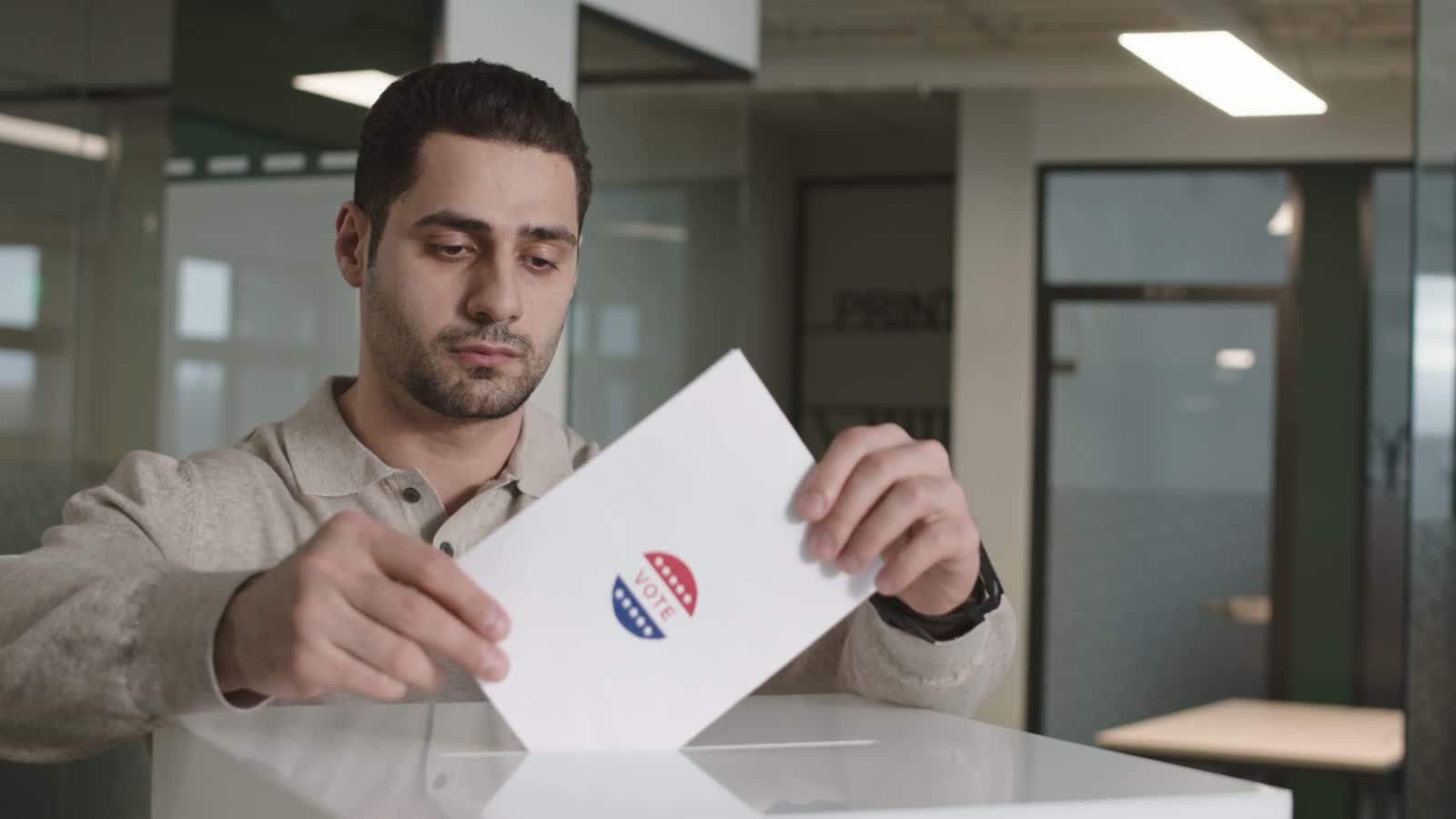
The Trump administration has dropped its lawsuit to block California from counting about 20,000 mail-in ballots — and that decision matters for election worker jobs in California, because the counting work at the heart of the case goes on. The Justice Department filed the case in Los Angeles in mid-October, claiming the ballots came from non-citizens. But the Supreme Court rejected its emergency bid on Monday, a federal judge had already called the request a monumental change, and on Friday the department told the court the relief it wanted is no longer available. California has already counted about nine million ballots, with millions still to go — and that counting is done by election workers.
What happened with the lawsuit
The Justice Department sued California in mid-October, asking a federal court to order the state to set aside about 20,000 mail-in ballots it alleged were cast by non-citizens. The state refused to separate those ballots, and the case moved quickly through the courts. US District Judge David Carter was sceptical of the request, and both he and a three-judge panel of the 9th Circuit Court of Appeals rejected it. On Monday, the day before the election, the Supreme Court also rejected the department’s emergency bid.
On Friday, the Justice Department filed a notice of voluntary dismissal. In its filing, Assistant US Attorney Julie Hamill wrote that by the time of the court’s hearing on November 13, California would already have mixed the challenged ballots in with lawful ones, so there would be no way to separate them — and as a result, “the relief the United States sought and needed is no longer available.” California Attorney General Rob Bonta said the administration had “given up its latest unlawful effort to interfere with California’s elections and disenfranchise eligible voters.”
The case was part of a wider push: the Justice Department had sued at least 30 states over voter data, losing almost all of those cases. For California, the outcome means the election process continues as planned, with county election offices finishing the count.
What this means for election workers
Every ballot California counts passes through the hands of election workers. With about nine million ballots already processed and nearly five million still to be counted, county election offices in California have a large, time-sensitive workload — and that workload is exactly what election worker jobs are built around.
Election worker jobs in California are mostly run by county offices, not by the state or the federal government. Each county has a registrar-recorder or elections office that hires people to process ballots, staff polling places, check signatures, sort mail, and answer voters’ questions. Much of this work is seasonal: hiring rises sharply before an election and during the count, then falls back once results are certified. That pattern makes election work a practical option for people looking for short-term or part-time work, students, retirees, and anyone between jobs who wants paid work with a clear start and end.
The dropped lawsuit also shows why these jobs matter beyond election week. When a ballot count is challenged in court, it is the records, procedures, and careful work of county election staff that stand behind the result. Election workers are the people who keep the count accurate, documented, and on schedule — and courts, candidates, and voters all rely on that work.
What election worker roles usually involve
Election work covers several kinds of roles, and the exact mix varies by county:
- Ballot processing: Opening, sorting, and scanning mail-in ballots, and checking signatures against voter records.
- Poll workers: Staffing vote centres and polling places on election day, helping voters, and handling ballots securely.
- Election clerks: Office-based support work such as data entry, filing, and answering phones during the election period.
- Vote counting and canvassing support: Helping with the official count and the checks that follow it.
None of these roles needs a specific degree. What counties generally look for is reliability, attention to detail, the ability to follow written procedures carefully, and the willingness to work long days during the busiest part of the count. Basic computer skills help for office-based roles, and being able to work as part of a team matters in every one of them. If you are new to the world of work, our guide on how to get your first job with no experience covers the basics of applying, preparing, and making a good first impression.
How to find election worker jobs in California
Because these jobs are hired county by county, there is no single national application. The practical route is:
- Find your county’s registrar-recorder or elections office. Every California county has one, and it is the office that hires election workers.
- Check its website for election worker or poll worker sign-ups. Counties usually open applications weeks before an election, so checking early gives you the best chance.
- Look for seasonal and temporary postings. Election work is often listed as temporary or part-time, and postings appear in the run-up to each election.
- Keep your documents ready. You will normally need to show you are eligible to work in the United States, and some roles ask for basic background checks.
- Apply for more than one role. Counties hire for several kinds of election work at once, and applying for more than one increases your chances.
For general job-search advice that applies here too, see our practical guide on how to find jobs in the USA.
Why California election jobs are worth watching
California is the largest state in the country, with about 23 million registered voters, and it votes almost entirely by mail. That means ballot processing is a large, recurring operation — not a one-off event. Every election cycle brings a fresh round of counting work, and the legal fights around the count, like the lawsuit that has just been dropped, keep election administration in the spotlight.
The same is true of the wider jobs picture in the state. Our earlier guide on what Governor Newsom’s death-row commutation means for jobs in California looked at another California story through a jobs lens, and the lesson is the same: big state-level news often creates or protects real work on the ground.
There is a federal angle too. The lawsuit was brought by the Justice Department, and the department itself has been changing — our guide on what three top Justice Department officials resigning means for jobs in the USA explains what those departures mean for federal legal and administrative work.
The bottom line
The California ballot lawsuit is over: the Justice Department dropped it after losing at every level, including the Supreme Court, and California’s count continues. For job seekers, the story is a reminder that election work is real, paid, recurring work — and that California’s county election offices are the places to watch when the next election approaches. If you want a short-term role with a clear purpose, checking your county registrar’s election worker openings before the next election is a sensible place to start.







Leave a Reply