
Watch the Short
https://www.youtube.com/shorts/XvHrMUYjgz4
More than a thousand schools closed — and teacher jobs in the USA are feeling it
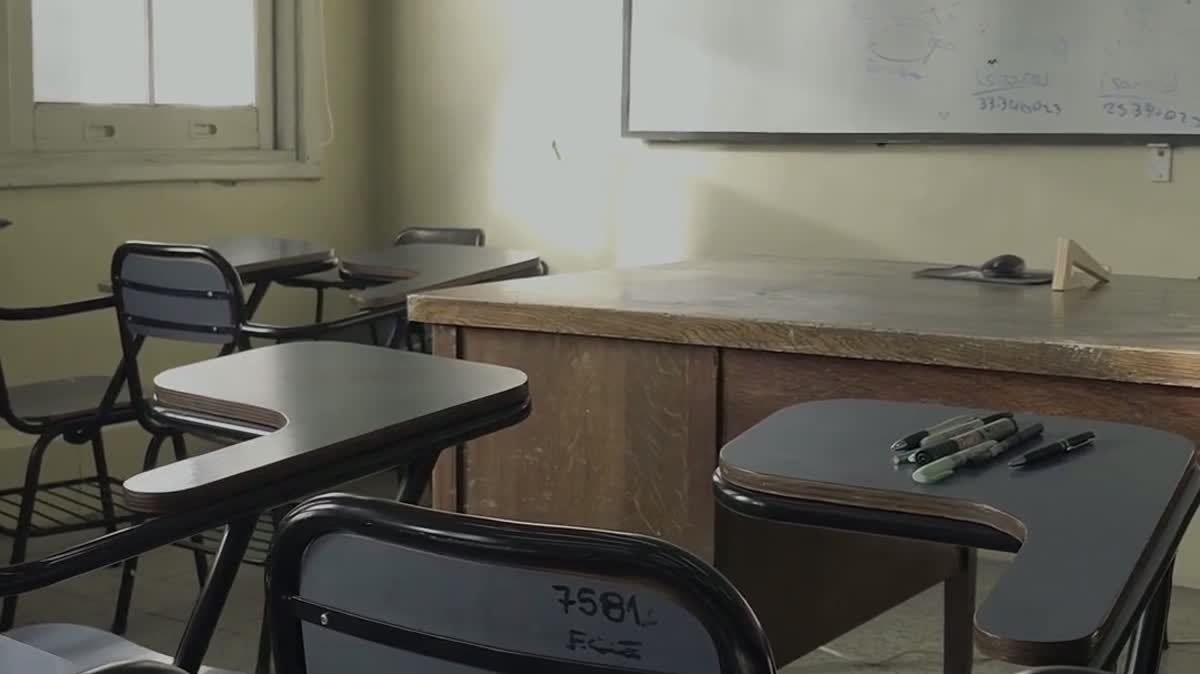
Teacher jobs in the USA are under pressure from a trend that has been building for years and is now speeding up. In the last academic year, 1,156 public schools closed across the United States — the highest number since the pandemic, according to an analysis of federal data by Big Local News at Stanford University.
The closures are not happening in isolation. Public school enrollment fell by more than 1.4 million students, roughly 3 percent, between fall 2019 and 2024. When students leave, the funding that follows them leaves too — and that is what puts teaching and school support jobs at risk.
Why schools are closing
The main reason is simple: fewer children. Birth rates in the United States have been sliding for decades, so fewer students are entering school each year. But several other forces are adding to the decline. A federal crackdown on immigration, the post-pandemic expansion of private school vouchers, and more families choosing homeschooling have all contributed, according to reporting by The Hechinger Report and the Associated Press.
State and federal education funding is also drying up. When a district has fewer students, it receives less money per pupil — yet it still has to heat, maintain and staff the same buildings. Closing a campus is often the last resort districts choose to balance the books.
What happened in Vallejo and Cleveland
The national numbers are playing out district by district. In Vallejo, California, enrollment has fallen from nearly 18,000 students in fall 2006 to about 9,300 today. District leaders have closed five campuses since 2025 — a quarter of its schools — and placed up to a third of all staff positions on the chopping block to plug a $36 million deficit.
Cleveland tells a similar story: enrollment there has dropped from about 74,000 in 2000 to 34,000 in 2025, and the district plans to shut 29 schools in the 2026-27 school year.
Vallejo’s superintendent, Ruben Aurelio, put it plainly: “We’re not just closing schools to close schools. We’re right-sizing a district that was built for significantly more kids.”
Which school jobs are most exposed
When a school closes, the job losses go far beyond the classroom. Teachers are the most visible group affected, but teacher aides, bus drivers, cafeteria workers, custodians and office staff all depend on the same buildings staying open.
The warning signs for job seekers are clear:
- Layoffs are a real risk, not just a rumour. Researchers at Bellwether and WestEd estimated that declining enrollment could cost schools $11.5 billion in state revenue every year by 2030-31, potentially prompting widespread layoffs, cuts to academic programs and more closures.
- Classes are getting bigger. In Vallejo, some teachers started the school year with 32 to 34 students in a single class, and 7 percent of the district’s teachers on the first day were substitutes. Bigger classes mean heavier workloads for the teachers who stay.
- Closures rarely save as much as districts hope. Busing students to their new schools, severance for staff who lose their jobs, and security for empty buildings often eat up the savings — which can mean further rounds of cuts later.
- Instability makes hiring harder. Research cited in the reporting found that closures can make it harder to attract teachers, who may worry the jobs are not stable — and displaced students often suffer long-term drops in reading and maths.
Where school jobs still hold up — and what job seekers can do
The picture is not the same everywhere. Districts that are still growing, or that are investing to attract families, are still hiring. Vallejo itself launched a teacher residency programme to attract new educators and improve retention, even while closing campuses. And as families move to charter schools, private schools or neighbouring districts, those schools need staff too.
If you work in education, or want to, here is how to read the situation:
- Watch district hiring pages, not just headlines. A district closing schools in one neighbourhood may still be hiring in another, or for hard-to-fill roles such as special education, maths and science.
- Substitute teaching is a way in. Districts short on staff rely heavily on substitutes, and a long-term substitute role can turn into a permanent post.
- Consider neighbouring districts and charter schools. When families leave a closing school, they often enrol nearby — and the receiving schools need teachers, aides and support staff.
- Build skills districts cannot cut easily. Special education, bilingual teaching and student support roles are among the hardest to fill, and they tend to survive budget cuts better than general posts.
- Check the wider jobs picture. Our guide on how to find jobs in the USA covers the practical steps for any job search, and our look at what the October jobs report means for jobs in the USA gives the national context.
The bottom line for teacher jobs
The 1,156 closures are a warning, not an endpoint. Enrollment has fallen faster than schools have closed, which means more districts will face the same choices Vallejo and Cleveland already have. For teachers and school staff, that means checking the health of your district before you apply, keeping an eye on neighbouring districts, and building skills that stay in demand even when budgets shrink. For job seekers outside education, the lesson is the same one playing out in other sectors — from school and sports jobs to farm and construction jobs — when a big employer in a town shrinks, the whole local jobs market feels it.
Sources: The Hechinger Report / Associated Press / Big Local News at Stanford University, Nov 9, 2026. Watch our 30-second update on YouTube: https://www.youtube.com/shorts/XvHrMUYjgz4









Leave a Reply