

Peace talks between the United States and Iran have stalled. Tehran says the talks are paused while it assesses the Democrats’ landslide midterm victory, and Secretary of State Marco Rubio says the negotiations have made little progress, with no breakthrough in sight. That pause matters for foreign service jobs in the USA, because when diplomacy stalls, the people who do the talking — diplomats, negotiators, analysts and the staff who support them — become the story, and their work gets harder, not easier.
Watch the 30-second update on Today Live News: https://www.youtube.com/shorts/KD4kFTSeux0
What happened
Iranian Foreign Minister Abbas Araghchi said on Sunday that peace talks had been paused while the political fallout of the Democratic Party’s landslide victory was assessed. “For the past few days, there has been no more travel (by mediators), and the reason for this is the shock that the election results in the United States have caused to everyone,” Araghchi told state television. “We now have to see how long it will take for them to digest these results, in order to determine how we are going to move forward.”
Secretary of State Marco Rubio, speaking on Sunday before leaving for a meeting of G7 foreign ministers, said negotiations with Iran had yielded little progress and he saw no sign of an imminent breakthrough. He said President Trump strongly favoured a diplomatic solution, but described Tehran’s conditions as “unacceptable” and, in some instances, “outrageous and ridiculous, and really not realistic”.
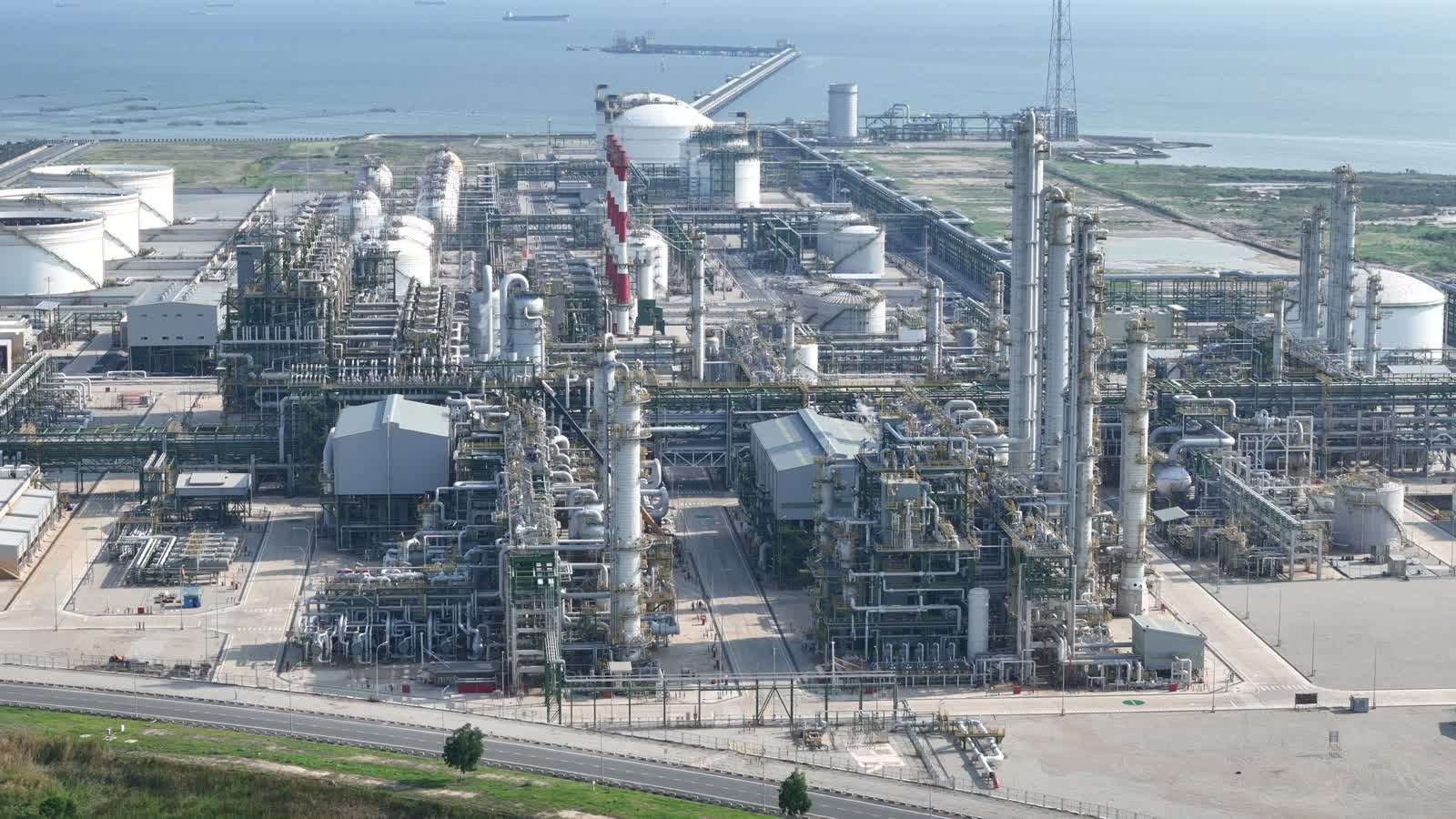
President Trump, meanwhile, insisted the two sides are still talking — “We’re talking to Iran. We have been,” he told reporters — and he meets Qatar’s prime minister at the White House on Monday to discuss a ceasefire and resuming nuclear negotiations. Qatar has acted as the intermediary between Washington and Tehran, passing along diplomatic proposals. Iran still partly blocks traffic through the Strait of Hormuz, which has dented oil supplies and pushed up gasoline prices in the United States.
What it could mean for foreign service jobs in the USA
A stalled negotiation is not a job listing, and this article is not claiming one exists. But the pause says something useful for job seekers in four areas:
- Diplomacy does not stop when talks stall — it changes shape. When formal negotiations pause, the work shifts to the people who keep channels open: foreign service officers at embassies and in Washington, political officers who report on what the other side is thinking, and the staff who manage back-channel contacts through intermediaries like Qatar. Our guide to what the Abu Dhabi Ukraine talks mean for mediation and negotiation jobs in the USA explains how mediation work creates demand for negotiators and analysts even when the headlines say nothing is moving.
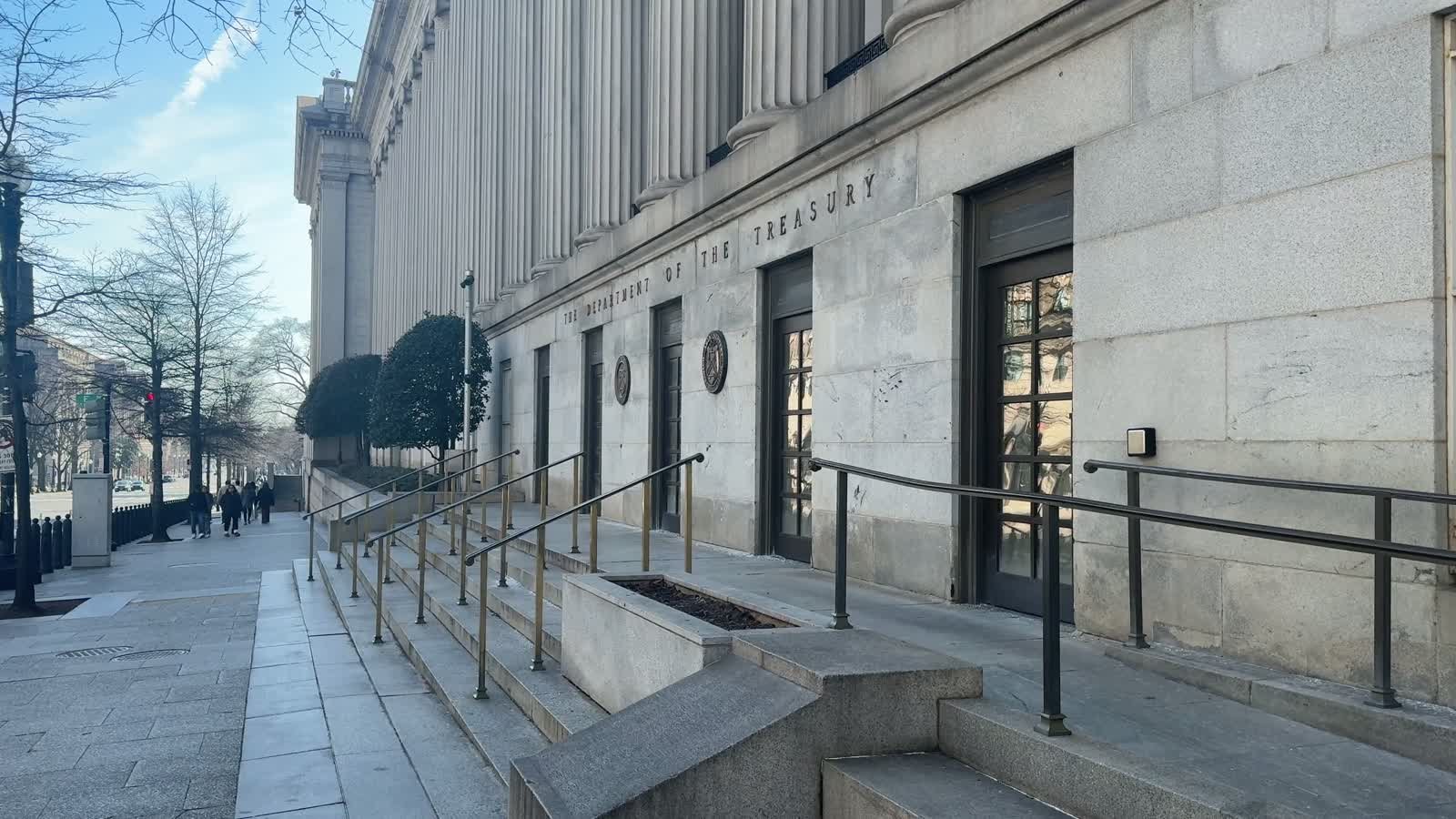
- The State Department hires through a structured, competitive path. Foreign service jobs in the USA are filled through the US Foreign Service, run by the State Department. The standard route for a Foreign Service Officer starts with a written test, followed by assessments, clearances and training — a long process that rewards language skills, regional knowledge and the ability to write clearly under pressure. Consular officers, who handle visas and help Americans abroad, and political and economic officers, who report on foreign governments and markets, are among the most common tracks. When a crisis like the Iran standoff dominates the news, it is a reminder that these are real, standing careers, not posts created by a single headline.
- Intermediaries and allies create jobs beyond the State Department. Qatar’s role as go-between in the Iran talks is a reminder that diplomacy is not only done by American diplomats. Think tanks, policy institutes, international organisations, non-profits and the private firms that support them all hire people who understand the Middle East, nuclear issues and energy markets. Our guide to what Trump’s teased Cabinet shakeup means for jobs in the USA covers how sudden staffing changes at the top of government ripple through these wider circles.
- Energy prices connect diplomacy to everyday American jobs. Iran still partly blocking the Strait of Hormuz has dented oil supplies and pushed up gasoline prices in the United States. When fuel costs rise, transport, logistics, delivery and airline jobs feel it first. Our guide to what the talks track means for oil, energy and diplomacy jobs in the USA explains how the same Iran story reaches energy hiring — and why a diplomatic breakthrough, or a breakdown, moves those jobs too.
What to watch next
The next step is Monday’s meeting at the White House between Trump and Qatar’s prime minister, which is aimed at restarting the talks. If the mediators start travelling again, that is the first sign the pause is ending. If they do not, the stall drags on — and the diplomats, analysts and energy workers caught in the middle keep waiting. For job seekers, the practical takeaway is the same either way: foreign service and diplomacy careers are built over years, not news cycles, and the skills they need — languages, regional expertise, clear writing and calm under pressure — are worth building now, while the talks are paused.
Watch the full update on YouTube: https://www.youtube.com/shorts/KD4kFTSeux0>
Sources: The Tribune (ANI) and Malay Mail (AFP), Nov 9, 2026.








Leave a Reply