
What Is Car Insurance and How Does It Work in 2026?
Car insurance is an important part of responsible vehicle ownership. Whether you drive a car every day, use it for work, or take occasional road trips, unexpected accidents can lead to expensive repairs, medical bills, and other financial losses. Car insurance can help protect you from certain costs, depending on the coverage you choose and the terms of your policy.
Many drivers purchase car insurance because it is legally required in their location. Others choose additional coverage to protect their vehicles against theft, accidents, weather damage, and other risks. Understanding the different types of car insurance can help you make a more informed decision.
In this guide, we will explain what car insurance is, how it works, the main types of coverage, the factors that affect insurance costs, and how to choose a suitable policy in 2026.
What Is Car Insurance?
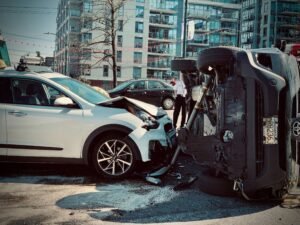
Car insurance is a contract between a vehicle owner and an insurance company. The vehicle owner pays a premium, and the insurer agrees to provide certain financial protection according to the policy’s terms and conditions.
Depending on the coverage, car insurance may help pay for damage to another person’s vehicle, injuries resulting from an accident, repairs to your own car, or losses caused by events such as theft.
However, not every policy covers every type of loss. Some policies offer only limited liability protection, while others include coverage for damage to the insured vehicle.
Before purchasing insurance, drivers should understand the coverage limits, deductibles, exclusions, and claim requirements.
How Does Car Insurance Work?
Car insurance generally works through a straightforward process.
1. Choose an Insurance Policy
The first step is selecting coverage that meets your legal requirements and financial needs. Options may include liability insurance, collision coverage, comprehensive coverage, and additional benefits.
The available products depend on your country, insurer, and vehicle.
2. Pay the Premium
A premium is the amount you pay for insurance. Depending on the policy, you may be able to pay monthly, quarterly, or annually.
Your premium depends on several factors, including your vehicle, driving history, location, coverage amount, and deductible.
3. An Accident or Covered Event Occurs
If you experience an accident or another event covered by your policy, you may be able to submit a claim to the insurer.
You should follow the insurer’s reporting instructions and keep relevant evidence, such as photographs, repair estimates, and details of the incident.
4. The Insurer Reviews the Claim
The insurance company examines the circumstances, available evidence, policy wording, and applicable coverage limits.
It may request additional documents or arrange an inspection before making a decision.
5. The Claim Is Settled
If the claim is approved, the insurer pays the covered amount according to the policy. Depending on the circumstances, payment may go to the policyholder, a repair provider, or another eligible party.
The amount paid can be affected by the deductible, coverage limits, depreciation provisions, and exclusions.
Main Types of Car Insurance
Understanding the main types of car insurance can help you identify the protection you need.
1. Third-Party Liability Insurance
Third-party liability insurance helps cover certain costs when you are legally responsible for injuries to other people or damage to their property.
For example, if you cause an accident that damages another person’s vehicle, liability coverage may pay eligible costs up to the policy limits.
This type of insurance generally does not pay to repair your own vehicle after an accident for which you are responsible.
In many locations, a minimum level of third-party liability coverage is legally required. The specific requirements vary by country and region.
2. Collision Insurance
Collision coverage helps pay for damage to your own vehicle resulting from a collision with another vehicle or object, subject to the policy terms.
For example, if your car collides with a wall or another vehicle, collision coverage may help pay for repairs.
A deductible may apply. This is the amount you must pay before the insurer contributes toward a covered loss.
Collision coverage may be especially relevant for drivers with newer or higher-value vehicles, although the decision depends on the vehicle’s value and the driver’s financial circumstances.
3. Comprehensive Insurance
Comprehensive coverage generally protects against certain types of vehicle damage that are not caused by a collision.
Depending on the policy, covered events may include theft, fire, vandalism, falling objects, or specified weather-related damage.
Despite its name, comprehensive insurance does not cover every possible loss. Exclusions and limits still apply.
Drivers should read the policy carefully to understand which events are included and whether separate coverage is needed for particular risks.
4. Personal Injury Protection or Medical Payments Coverage
Some insurance systems offer coverage for certain medical expenses following a vehicle accident.
Depending on the policy and jurisdiction, benefits may help cover medical treatment, rehabilitation, or other specified costs.
The rules and benefits vary significantly between locations. This coverage may also interact with health insurance or other compensation arrangements.
5. Uninsured or Underinsured Motorist Coverage
In some countries, drivers can purchase coverage that may help when they are injured or experience certain losses in an accident involving a driver who has no insurance or insufficient insurance.
Availability, eligibility, and the types of losses covered depend on local law and the policy.
6. Roadside Assistance
Roadside assistance is an optional benefit offered by some insurers or service providers.
Depending on the plan, it may include services such as towing, help with a flat tyre, battery assistance, or emergency fuel delivery.
Check the service limits, distance restrictions, and additional charges before relying on this benefit.
What Factors Affect Car Insurance Costs?
Car insurance premiums vary between drivers and insurance companies. Common factors include the following.
Vehicle Type and Value
The make, model, age, and market value of your vehicle can affect insurance costs. Expensive vehicles or those with costly replacement parts may be more expensive to insure.
Some vehicles may also have higher theft risks or different repair costs.
Driving History
Previous accidents, claims, traffic violations, and other driving records may affect your premium, depending on the insurer’s pricing rules.
Drivers with a history of safe driving may qualify for better rates with some providers.
Location
Insurance costs can differ depending on where you live and drive. Traffic density, accident rates, theft risks, weather conditions, and local repair costs may influence premiums.
Age and Driving Experience
Some insurers consider a driver’s age and experience when calculating premiums. Less experienced drivers may face higher costs under certain pricing systems.
Coverage Level
A policy with higher limits or additional coverage generally costs more than a basic policy with limited protection.
Choosing a deductible may also affect the premium. A higher deductible can reduce the premium in some cases, but it means you will pay more out of pocket when making an eligible claim.
Annual Mileage and Vehicle Use
How often and how far you drive may affect insurance costs. A vehicle used for business purposes may require different coverage from one used only for personal journeys.
Always describe your vehicle’s use accurately when applying for insurance.
How to Choose the Right Car Insurance Policy
Choosing car insurance involves more than finding the lowest price. Follow these steps to compare your options.
1. Understand Your Legal Requirements
Check the minimum insurance coverage required where your vehicle is registered and driven.
Legal requirements differ between countries and regions. A policy that satisfies the requirements in one location may not be sufficient in another.
2. Assess Your Financial Risk
Consider how much you could afford to pay if your vehicle were damaged, stolen, or involved in an accident.
If replacing your vehicle would create a major financial burden, broader coverage may be worth considering.
3. Compare Multiple Quotes
Request quotes from several insurance providers. Compare similar coverage limits and deductibles to make the prices meaningful.
A cheaper policy may offer less protection or contain restrictions that are important to you.
4. Read Exclusions Carefully
Review what the policy does not cover. Common restrictions can involve particular uses of a vehicle, unauthorised drivers, certain types of damage, or failure to meet policy conditions.
The exact exclusions depend on the contract.
5. Check the Claims Process
Understand how to report an accident, which documents are required, how repairs are approved, and how long the claims process may take.
A clear and accessible claims process can be an important consideration when comparing insurers.
6. Review Your Policy Regularly
Your needs may change when you purchase another vehicle, move to a new location, change your driving habits, or pay off a vehicle loan.
Review your coverage periodically and update the insurer when required.
What Should You Do After a Car Accident?
Knowing what to do after an accident can help protect your safety and support the insurance claims process.
- Check for injuries. Contact emergency services when necessary and move to a safe location if possible.
- Follow local reporting requirements. Some accidents must be reported to police or other authorities.
- Exchange relevant information. Collect the other driver’s contact and insurance details where appropriate.
- Document the scene. If it is safe and lawful, take photographs of vehicle damage, road conditions, and other relevant evidence.
- Notify your insurer. Report the incident within the timeframe required by your policy.
- Keep records. Save claim numbers, repair estimates, receipts, and communications with the insurer.
- Avoid unsupported admissions or agreements. Provide accurate facts and follow the applicable claims process.
Do not put yourself at risk to collect evidence. Safety should always come first.
Common Car Insurance Mistakes to Avoid
Drivers can reduce confusion and unexpected costs by avoiding these mistakes:
- Choosing insurance based only on price.
- Assuming that every type of vehicle damage is covered.
- Selecting a deductible they cannot comfortably afford.
- Providing inaccurate information about the vehicle or its use.
- Forgetting to update policy details after important changes.
- Missing premium payments or renewal deadlines.
- Failing to understand coverage limits and exclusions.
- Not keeping copies of insurance documents.
- Waiting too long to report an accident.
- Assuming roadside assistance is automatically included.
Carefully reviewing your policy can help you understand what protection you actually have.
Frequently Asked Questions
Is car insurance mandatory?
In many countries and regions, some form of vehicle insurance is legally required. The minimum coverage and rules vary by location, so drivers should check the requirements that apply to them.
What is the difference between third-party and comprehensive insurance?
Third-party liability coverage generally helps pay eligible costs for injuries or property damage for which you are legally responsible. Comprehensive vehicle insurance may provide broader protection for your own vehicle, depending on the specific policy. The precise meaning of each product varies by market.
Does car insurance cover theft?
Some comprehensive policies cover vehicle theft, subject to their terms, exclusions, and reporting requirements. Basic liability coverage generally does not pay for the theft of your own vehicle.
Can I reduce my car insurance premium?
You may be able to reduce costs by comparing quotes, reviewing optional benefits, maintaining a good driving record, and selecting an appropriate deductible. Never remove essential coverage without understanding the financial risk.
What is a car insurance deductible?
A deductible is the amount you must pay toward a covered claim before the insurer pays the remaining eligible amount, subject to the policy terms. Not every type of claim necessarily uses a deductible.
Does car insurance cover another person driving my car?
Coverage depends on the policy, the driver’s permission, the vehicle’s use, and local rules. Before allowing someone else to drive your vehicle, check whether they are covered.
Conclusion
Car insurance can help protect drivers from certain financial losses associated with accidents, vehicle damage, injuries, and other covered events. The level of protection depends on the policy, coverage limits, exclusions, and applicable laws.
Before purchasing a policy, understand your legal responsibilities, assess your financial risks, and compare several suitable options. Pay attention to deductibles, claim procedures, and exclusions instead of focusing only on the premium.
Choosing appropriate car insurance can help you manage unexpected expenses and drive with greater financial confidence.
Disclaimer: This article is for general educational purposes only and does not constitute individual insurance, financial, or legal advice. Insurance products, coverage requirements, and regulations vary by country and provider. Always review the full policy wording and applicable local requirements before purchasing insurance.
