
Former Maine governor Paul LePage has flipped Maine’s Second District in the 2026 midterms — and in one of the most rural districts in the country, the result is a useful lens on rural jobs in the USA. LePage leads Democrat Matt Dunlap by about 5,400 votes, Dunlap has conceded, and a ranked-choice count is still set for Monday, November 9. For job seekers, the story is not really about one seat: it is about what happens to work in rural America when political power changes hands.
What actually happened in Maine
The numbers come from the Maine Secretary of State’s office, based on reports from all 487 municipalities in the district. LePage won 170,263 first-choice votes (49.894%) and Dunlap won 164,845 (48.307%), a lead of 5,418 votes out of 341,248 ballots cast. Another 6,017 ballots were blank and 123 went to a declared write-in candidate.
Because neither candidate won more than half of all ballots cast, Maine law requires a ranked-choice tabulation, which is scheduled to begin on Monday, November 9, at 10 a.m. in Augusta. The Associated Press had not called the race. Dunlap conceded on Thursday, November 5, saying: “Congratulations to Paul LePage, I wish him the best.” LePage had declared victory the day before.
LePage takes the seat of Democrat Jared Golden, who did not seek reelection. Golden himself congratulated LePage, saying he had won “in the midst of this Blue Tsunami” — a reference to the Democrats’ wider midterm gains, which cost Republicans control of the House. According to the Daily Caller, LePage’s win was the only time a Republican flipped a Democratic House seat in a district that was not redrawn.
Why this district matters for rural work
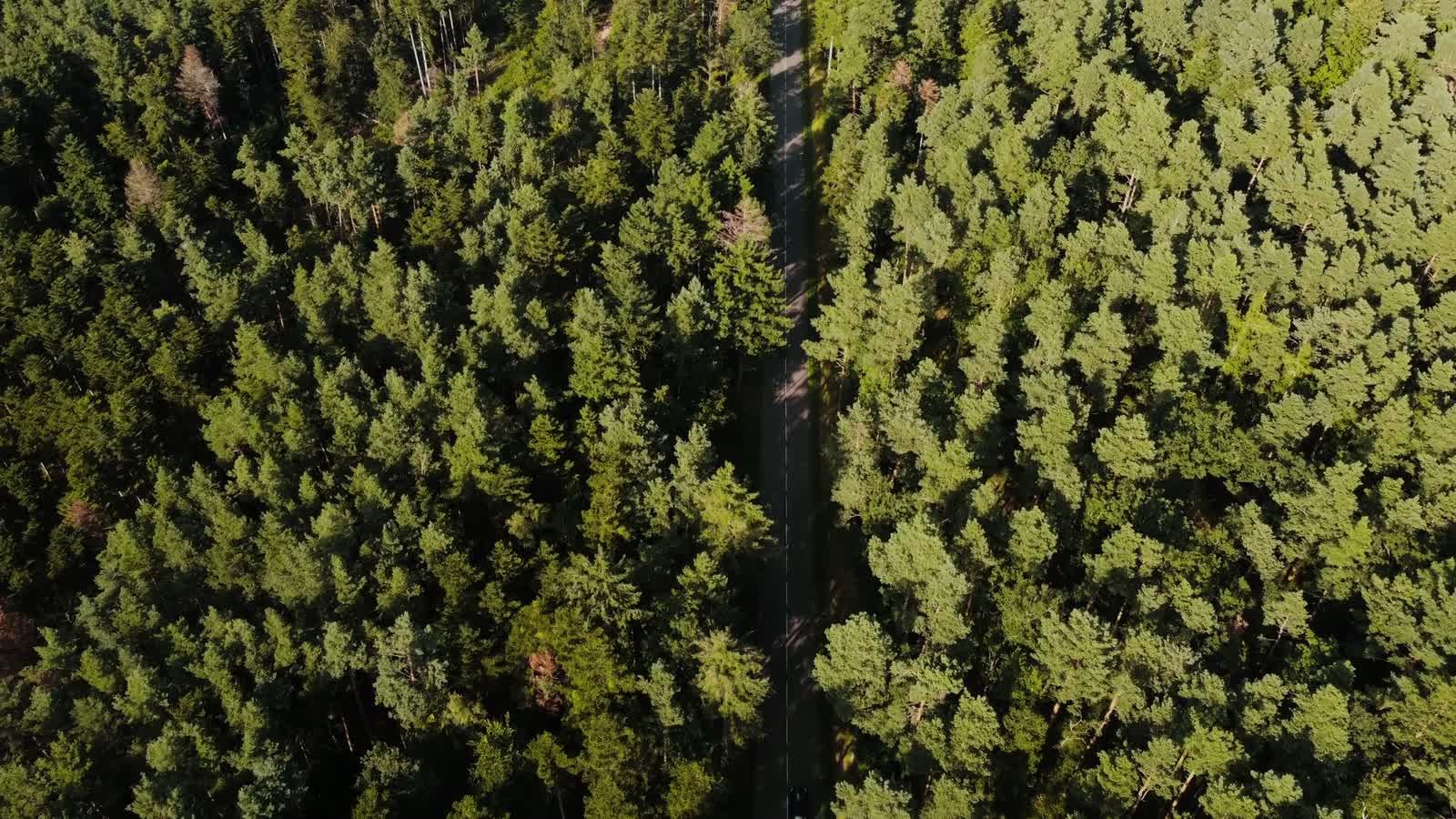
Maine’s Second District covers central and northern Maine and is one of the most rural districts in the country. That is what makes the result relevant to job seekers far beyond Maine: rural districts like this one are anchored by hands-on industries — forestry and timber, fishing, farming, small-scale manufacturing, tourism and local healthcare — and by the small businesses and public services that support them.
When a rural district changes representative, three things matter for workers. First, the new member’s priorities shape which local issues get attention in Washington, from rural broadband and roads to support for small employers. Second, constituent services — help with federal agencies, benefits and paperwork — pass through the new office. Third, the result signals what rural voters are asking for, and that shapes the debate about jobs policy in the new Congress.
None of that changes a job market overnight. But it is worth watching, because the policies that follow — on infrastructure, energy, farming, forestry and small-business support — feed directly into hiring in rural areas.
What rural job seekers should take from this
- Rural work is broader than it looks. Forestry, fishing and farming are the visible industries, but rural areas also need healthcare workers, teachers, drivers, mechanics, builders, care workers and remote workers. If you live in a rural area, look past the single biggest employer and map the full range of local work.
- Federal and state jobs are a real option. Rural districts rely heavily on public-sector work — schools, hospitals, postal services, parks, highways and local government. These jobs are advertised openly and often value reliability and local knowledge. Our guide to how to find jobs in the USA explains where to look.
- Skilled trades travel well. Electricians, plumbers, welders, mechanics and heavy-equipment operators are needed in every rural county, and the work cannot be moved overseas. A trade qualification is one of the most portable assets a rural job seeker can hold.
- Remote work has changed the map. Many rural workers now combine local work with remote roles — customer support, data entry, virtual assistance and freelance work done online. A stable internet connection and basic digital skills can open up jobs that used to require living in a city.
- Watch the labour market, not just the politics. Jobless claims recently hit a 57-year low, with only 189,000 Americans filing for benefits — a sign of a tight labour market in which employers are hiring. Read our guide on what record-low jobless claims mean for jobs in the USA to understand what that means for your search.
How to position yourself after an election
Elections do not create jobs by themselves, but they set the agenda. Here is a practical way to respond:
- Follow your own representative’s announcements. New members of Congress publish their priorities early — committee assignments, local office openings and the issues they plan to push. Those are clues to where attention and funding may go.
- Check what is hiring near you now, not in six months. The strongest signal is always current vacancies. Start with the practical steps in how to find jobs in the USA.
- Build a skill that rural employers need. Healthcare support roles, commercial driving, skilled trades and digital skills are all in demand outside the big cities. A short, recognised certification can make a real difference.
- Keep the wider picture in view. The midterms changed control of the House, and other races are still being decided — North Carolina flipped five House seats, for example. Our guides on what North Carolina flipping five House seats means for jobs in the USA and the 2026 midterms impact on jobs explain how the new political map affects hiring.
The bottom line
Paul LePage’s win in Maine’s Second District is a reminder that rural America still decides elections — and that rural jobs in the USA deserve the same attention as city jobs. The district’s voters chose a former governor who promised to deliver for them, in the only Republican flip of a Democratic seat that was not redrawn. For job seekers, the lesson is practical: know your local job market, build a skill employers cannot ignore, and keep an eye on the policies coming out of Washington, because they shape the work available where you live.
Sources: Maine Secretary of State (via Lincoln Town Square), Washington Examiner, Daily Caller — November 7, 2026.
Watch the 30-second update on Today Live News








Leave a Reply