
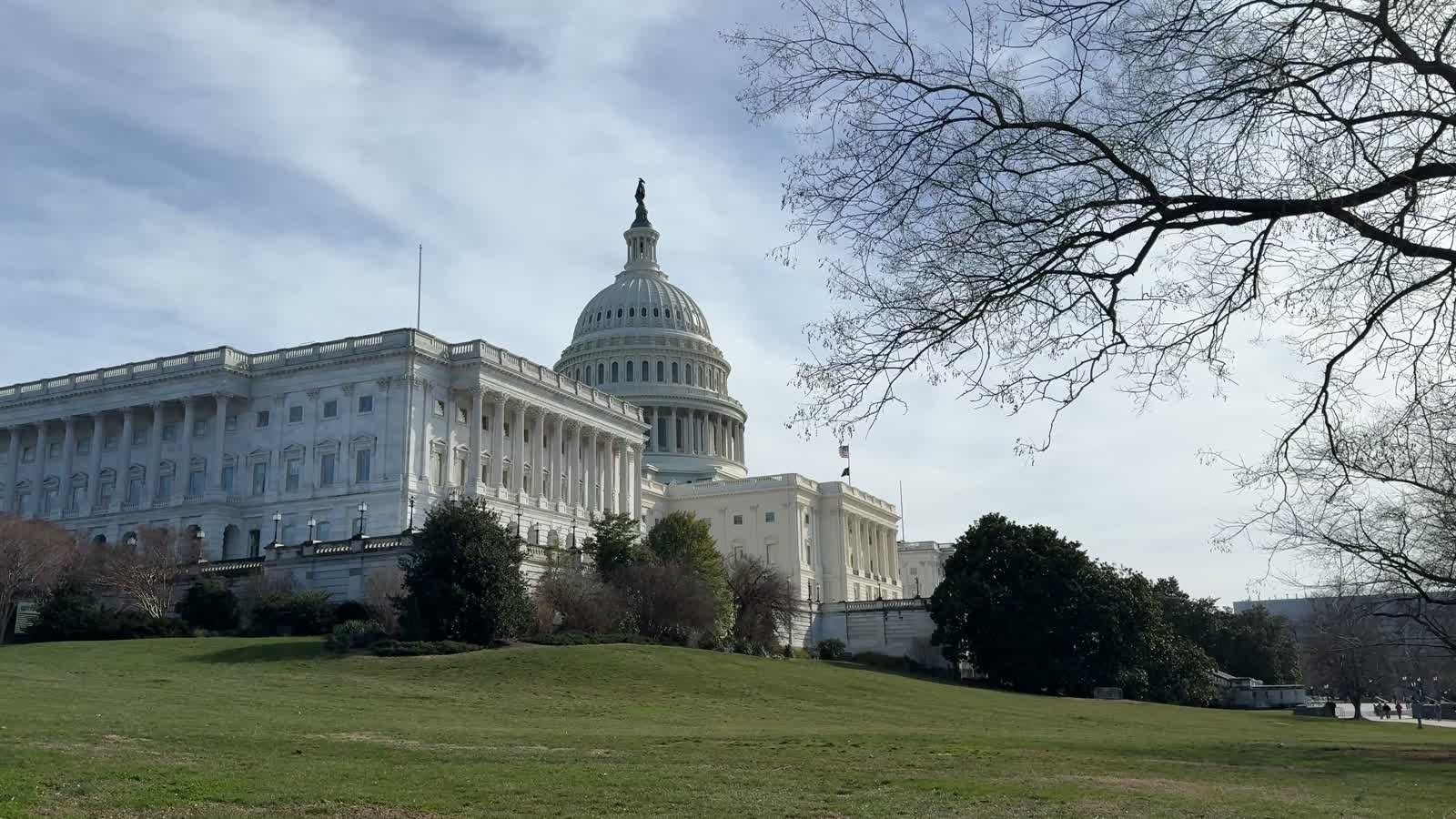
Senator Chris Murphy of Connecticut is out of hospital after a stroke, and he will miss several weeks of Senate votes while he recovers. The question behind “Chris Murphy stroke jobs USA” is a practical one: when a senator disappears from Washington for weeks, which American jobs feel it — and what should job seekers do about it?
Here is the news first, then the jobs picture, then what you can do about it.
What happened
On Friday, November 6, 2026, Democratic Senator Chris Murphy, 53, was discharged from Johns Hopkins Hospital after suffering a small hemorrhagic stroke — a small bleed in the brain — on October 31. He had called 911 that day after feeling that something was not right at his son’s hockey game. His doctors say he has shown tremendous progress and expect a full recovery after rehabilitation.
Murphy will spend several weeks at a rehabilitation centre. He is staying engaged with his team and colleagues remotely, and his office says the work of his office — including constituent services — continues without interruption. Congress returns on Monday, November 9, and he will not be there to vote.
Murphy sits on the Senate Appropriations Committee, which handles government spending, and he is a leading voice on immigration and gun policy. He is also seen as a possible candidate for more senior Senate leadership and for the White House in 2028. No return date has been announced.
Which jobs does this story touch?
A senator’s absence does not create or destroy jobs by itself, and no honest guide should pretend it does. What it does is slow down the decisions that jobs depend on — and it puts a spotlight on four job areas that already exist in the United States.
1. Senate staff and congressional jobs. Every senator’s office employs staff who handle legislation, communications, and constituent casework — and that work continues even when the senator is away. Murphy’s own office has said its staff keep working without interruption. Congressional staff jobs are real careers: legislative assistants, caseworkers, press staff, and schedulers. They are usually hired through a senator’s or representative’s office directly, and they suit people with strong writing, research, and people skills. If this world interests you, watch for openings on Senate office websites and on Capitol Hill job boards — and remember that these roles often start with an internship.
2. Federal spending and the funding deadline. Murphy sits on Appropriations, the committee that decides how federal money is spent — and federal spending is what funds a huge share of American jobs, from construction and defence to healthcare and research. His absence comes just as Congress faces a funding deadline on December 11, 2026. Our earlier guide explains what a government shutdown on December 11 would mean for jobs in the USA. For job seekers, the practical point is simple: when funding fights drag on, federal hiring and federal contracts slow down first. If you are applying for a federal role or a job with a government contractor, expect delays — and keep a private-sector option open at the same time.
3. Healthcare and rehabilitation jobs. Murphy’s recovery is a reminder of how large the rehabilitation sector is. Rehabilitation centres employ physical therapists, occupational therapists, speech-language pathologists, rehabilitation nurses, and support staff — and these are steady, in-demand careers across the United States. They need formal qualifications: a doctorate for physical therapy, a master’s for occupational therapy and speech-language pathology, and a nursing licence for rehab nursing. If you are choosing a career path, rehabilitation is one of the most reliable healthcare fields, because demand grows as the population ages — and it does not depend on any single news story.
4. Federal jobs and constituent services. A senator’s office is also a help desk for ordinary people dealing with federal agencies — veterans waiting on benefits, workers with a stalled Social Security or passport case, and job seekers who need a federal agency to answer. That service continues while Murphy recovers, and it is a reminder that federal agencies themselves are major employers. Federal hiring runs through USAJOBS, and most roles need US citizenship. Our step-by-step guide explains how to apply for jobs in the USA online. The October picture was strong — 165,000 jobs added and unemployment down to 4.1% — as our guide to what the October jobs report means for jobs in the USA explains.
What this does NOT mean for job seekers
Be careful with the hype. One senator missing a few weeks of votes does not change the job market, and nobody should treat it as a hiring signal. There is no public vacancy list attached to this story, and this article invents no salaries, no deadlines, and no job counts — because none have been published.
It also does not mean the Senate stops working. The chamber keeps voting, committees keep meeting, and Murphy’s colleagues keep legislating. His absence matters most on close votes and on the Appropriations Committee’s spending work — and even there, the effect depends on how the funding fight plays out, not on one person’s recovery. The leadership picture is also moving separately: our guide to what the Senate leadership fight over Chuck Schumer means for jobs in the USA covers that story.
How to prepare if any of this affects you
- If you are waiting on a federal decision, use your senator’s office. Constituent services exist for exactly this: a stalled benefits claim, a delayed passport, or a federal agency that has gone quiet. Murphy’s office says this work continues during his recovery, and every Senate office offers the same service.
- If you are applying for a federal job, expect slowdowns near a funding deadline. Budget fights freeze hiring and delay start dates. Apply early, keep copies of everything you submit, and do not turn down a private-sector offer while you wait on a federal one.
- If you want a healthcare career, look at rehabilitation. Physical therapy, occupational therapy, speech therapy, and rehab nursing all need formal training, but they offer stable, well-paid work that is needed in every state. Check the licensing rules for your state before you commit to a programme.
- Follow the policy, not the headline. One senator’s health story does not change a career field. Watch the funding deadline, the jobs report, and hiring freezes as well as the news.
- Keep your skills portable. Writing, research, data analysis, and healthcare qualifications transfer across employers, so your career does not depend on a single vote or a single office.
The bottom line
Senator Murphy’s stroke is a human story first: a 53-year-old who called 911 in time, got good care, and is expected to recover fully. For jobs, it is a reminder of how Washington works — one absence slows the spending decisions that federal hiring and contracts depend on, while the people behind the scenes keep working. The jobs behind that reminder — Senate staff, federal workers, and rehabilitation professionals — already exist, and they reward the same things they always have: relevant qualifications, patience with slow formal hiring, and the habit of watching budgets as well as headlines. If that sounds like you, start preparing now, and use the guides linked above to map your next step.
Sources
- Reuters, November 6, 2026: US Senator Murphy to miss Senate votes for weeks as he recovers from stroke
- AP via Arab News, November 7, 2026: Connecticut Sen. Chris Murphy is discharged from hospital after a stroke and goes to rehab facility










Leave a Reply