
Qeshm Island strikes jobs USA is the question on job seekers’ minds after two missiles struck Iran’s Qeshm Island early on Saturday, November 7, near the Strait of Hormuz. Iran says its air defences also shot down an American MQ-9 drone over the island, a claim the United States has not confirmed, and President Trump confirmed that American forces carried out limited strikes on Iran’s air defences. For job seekers, the story matters because the Strait of Hormuz is one of the world’s most important shipping routes, and tension there reaches into defence, energy, shipping and travel jobs in the USA.
What happened on Qeshm Island
Two missiles struck Qeshm Island early on Saturday, November 7. Iranian media reported that the missiles hit the Suza area, after residents heard an aircraft overhead, and that there was no official word yet on any damage. Iran’s military said its air defences shot down an American MQ-9 drone over the island on Saturday. The United States has not confirmed that claim.
President Trump confirmed that American forces carried out limited strikes on Iran’s air defence systems, telling reporters: “We do minor strikes. They built a little bit of an anti-aircraft device, and we knocked it out in about 15 minutes.” US Central Command described the situation around Qeshm Island as “relatively calm”, and Qatar’s prime minister said mediation efforts between the US and Iran were continuing. The United States has also urged its citizens across the Middle East to stay alert, warning of possible flight cancellations and airspace closures.
Sources: The Jerusalem Post / Reuters, November 7, 2026; Siasat, November 7, 2026; Al Jazeera live blog, November 7, 2026.
What it means for defence and aerospace jobs
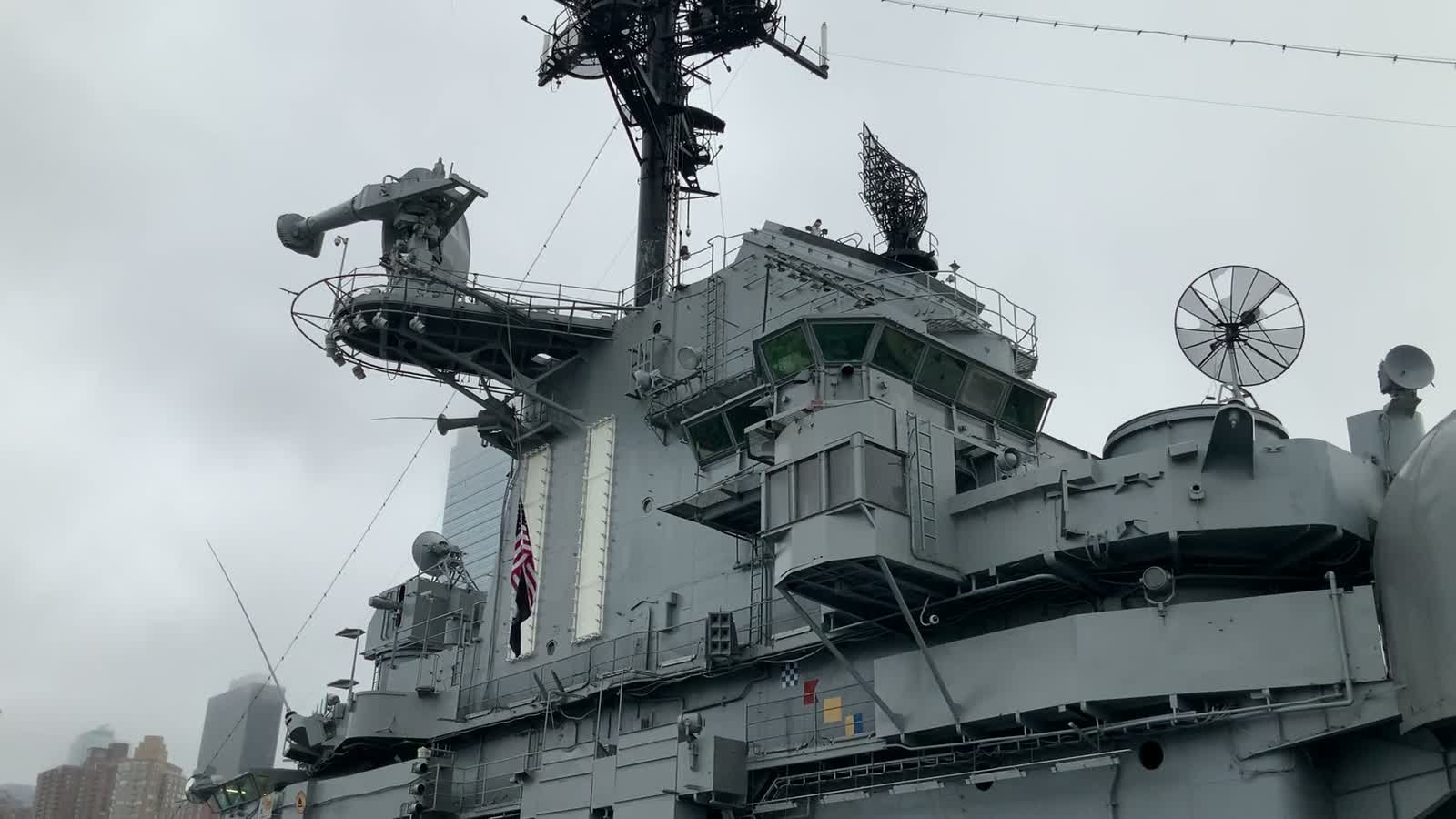
When the US carries out military strikes, the work behind them is done by people in defence and aerospace jobs: the service members who operate the aircraft and air defence systems, the engineers who build and maintain them, and the civilian contractors who support bases and supply chains. A limited strike does not by itself create a hiring wave, and this article lists no specific vacancies, because none were announced. But the direction of travel matters for job seekers: if tensions stay high, defence and aerospace employers tend to keep hiring for maintenance, logistics, cybersecurity and manufacturing roles. If talks succeed and tensions fall, hiring settles back to normal levels.
The practical step is to watch official sources — USAJOBS for federal roles and the careers pages of defence and aerospace employers — rather than rumours on social media. Our earlier guide on what Trump’s warning of more strikes means for defence, military and energy jobs explains the kinds of roles involved, and our guide to the Hegseth impeachment fight and defence jobs covers how leadership changes at the Pentagon affect military careers.
What it means for energy and shipping jobs
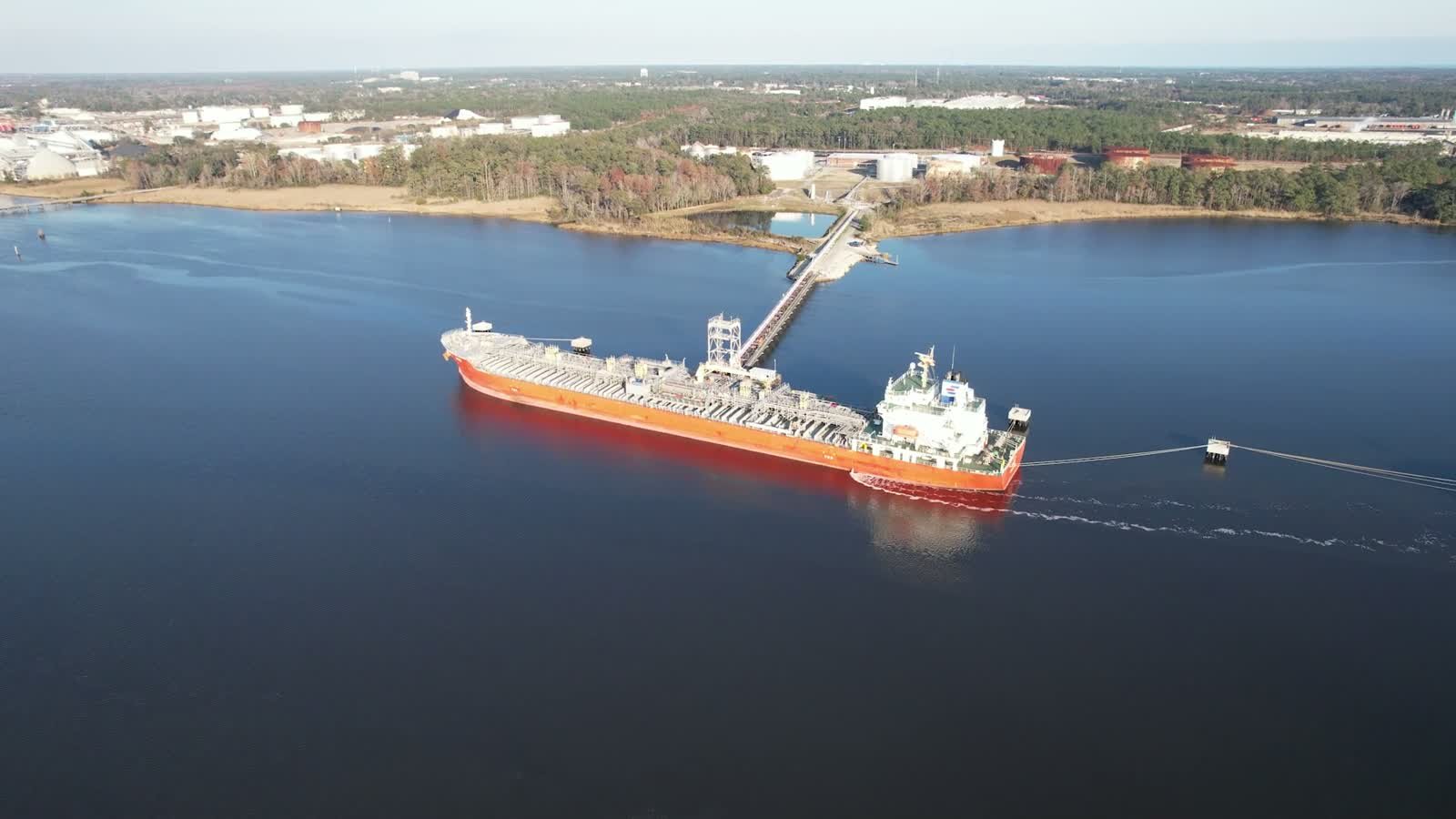
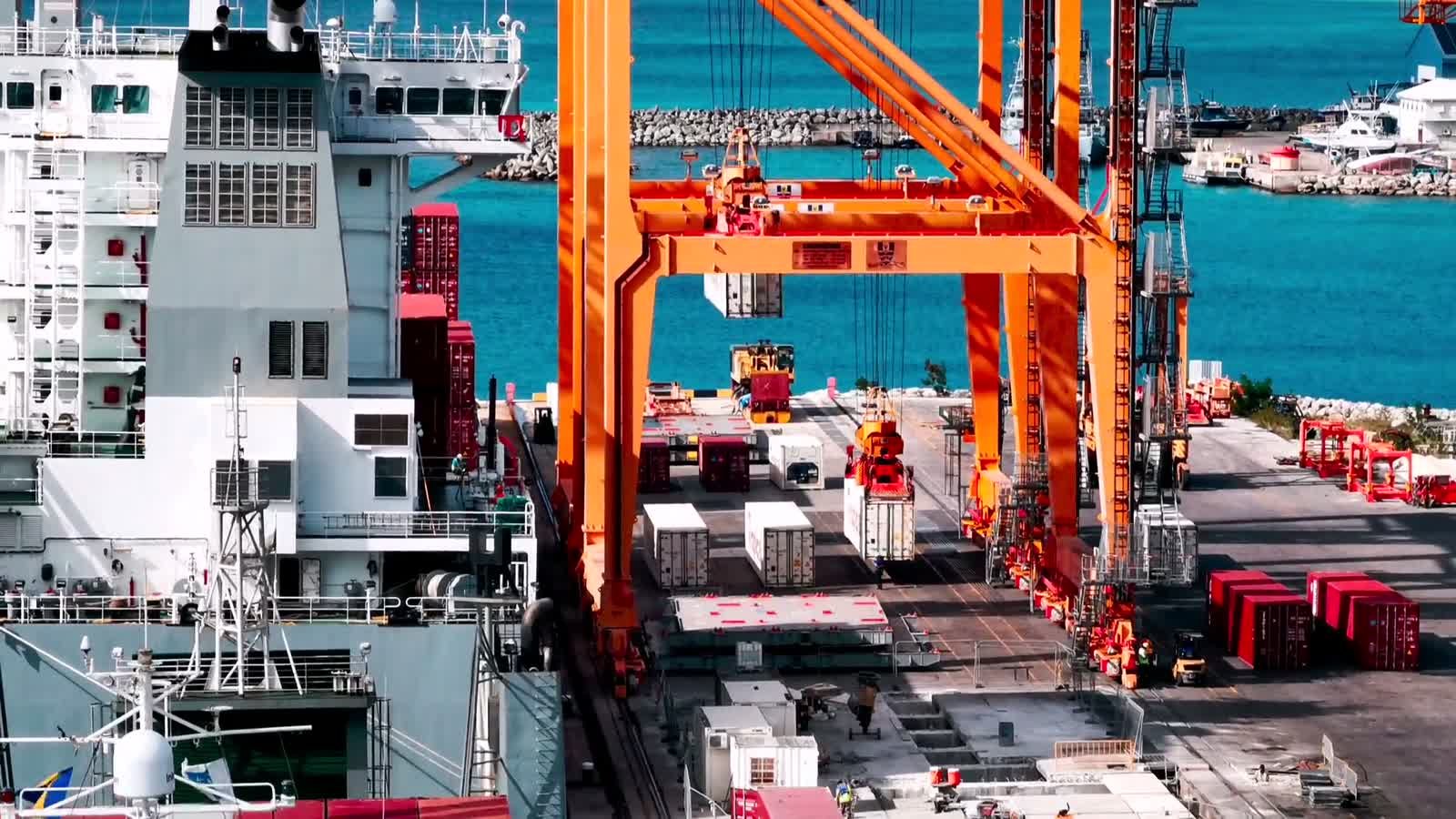
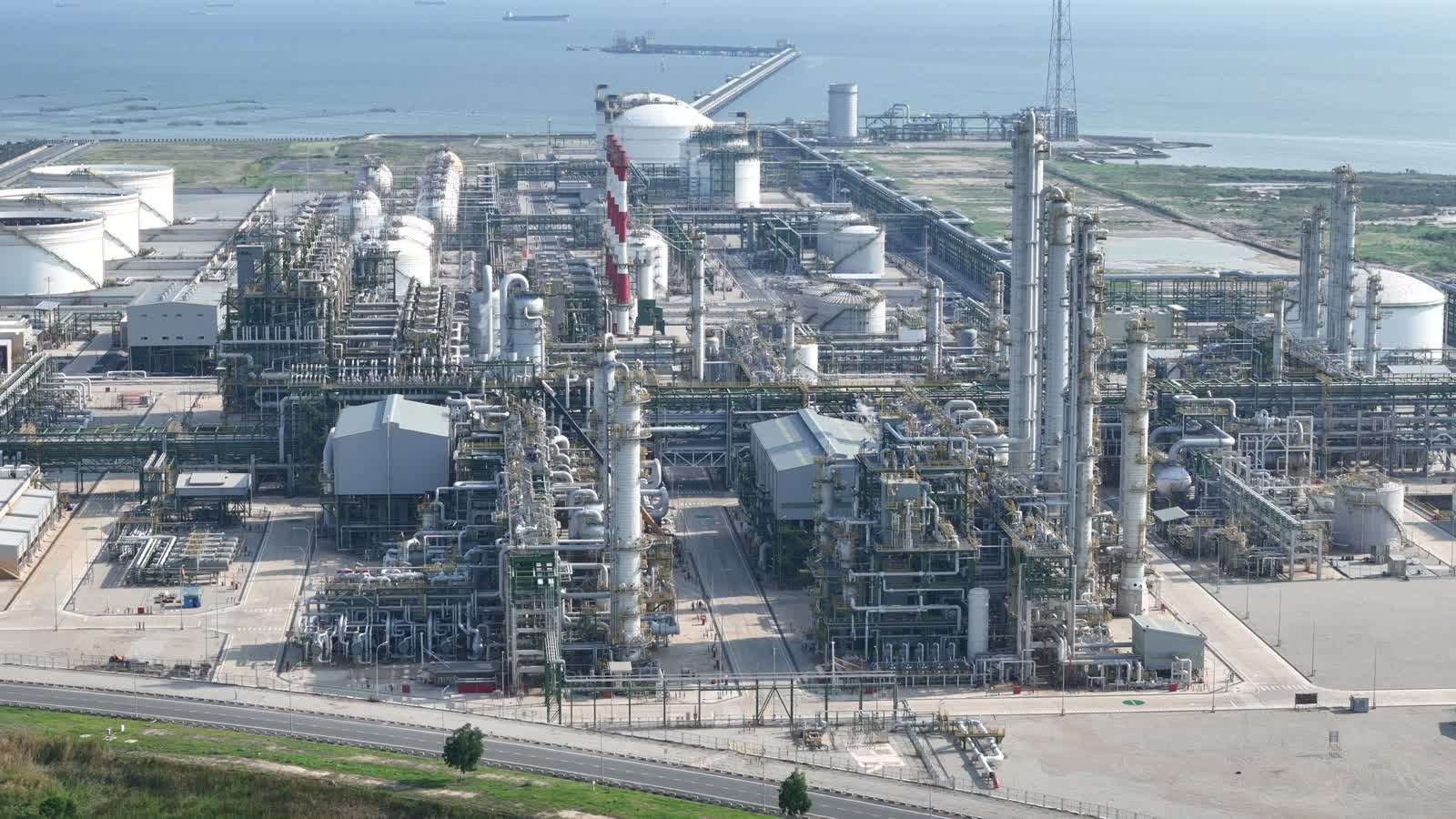
Qeshm Island sits near the entrance to the Strait of Hormuz, the waterway that carries a large share of the world’s seaborne oil. When missiles strike near that route, energy companies, shipping firms and port operators all pay attention, because any disruption to shipping can move oil prices and change voyage plans. That affects jobs in the USA in energy, refining, shipping, logistics and port work — from tanker crews and port staff to the analysts who plan routes and the traders who manage fuel supplies.
This is not the first time the strait has made jobs news this week: two oil tankers were reported hit in the strait the day before. Read our earlier guide on what the Strait of Hormuz tanker attacks mean for jobs in the USA for the background. For now, no shipping shutdown has been reported and Central Command calls the situation relatively calm, so the practical advice is the same as after any supply scare: energy and logistics employers keep operating, and job seekers in those fields should keep an eye on company careers pages rather than panic-applying.
What it means for travel and aviation jobs
The US warning to citizens across the Middle East mentioned possible flight cancellations and airspace closures. That matters for travel and aviation jobs: airlines reroute flights, airports adjust schedules, and travel companies deal with worried customers. Cabin crew, ground staff, travel agents and customer service teams are the people who handle that disruption. If you work in travel or aviation, or you are applying for roles there, expect schedules to shift at short notice while the situation is unresolved — and keep your applications moving, because airlines and travel firms hire on their own timetables, not on the news cycle.
How job seekers can use this news
1. Watch whether the talks hold. Qatar is still mediating between the US and Iran. If the talks make progress, the pressure on energy and travel jobs eases; if they fail, expect more disruption.
2. Check official careers pages. For defence and government roles, USAJOBS is the official route. For energy, shipping and travel roles, use the employers’ own careers pages.
3. Keep your skills current. Defence, energy and logistics employers value practical skills — maintenance, logistics, cybersecurity and data analysis among them. Use our step-by-step guide on how to find jobs in the USA to keep your search on track.
4. Do not make career decisions on one headline. A single day of strikes does not rewrite the jobs market. Keep applying, keep your options open, and check back as the story develops.
The bottom line
Qeshm Island strikes jobs USA is a story about uncertainty, not about a hiring boom or a hiring freeze. Two missiles hit an island near the world’s most important oil waterway, Iran claims it shot down an American drone, and the US president has confirmed limited strikes — while mediators keep working and the US military calls the situation relatively calm. For job seekers in defence, energy, shipping and travel, the practical step is simple: watch the talks, check official careers pages, and keep applying.





Leave a Reply